Mice and Rats: What to Record Between Control Visits
After a mouse or rat control visit, homeowners often ask the same question: how will we know the plan is working? A useful follow-up record separates old evidence from new activity and gives the technician specific information to act on.
This guide focuses on monitoring mice and rats after an inspection. It is not a substitute for the instructions supplied for your property, and it does not assume that every sound or opening is a rodent problem.
Agree on a starting point
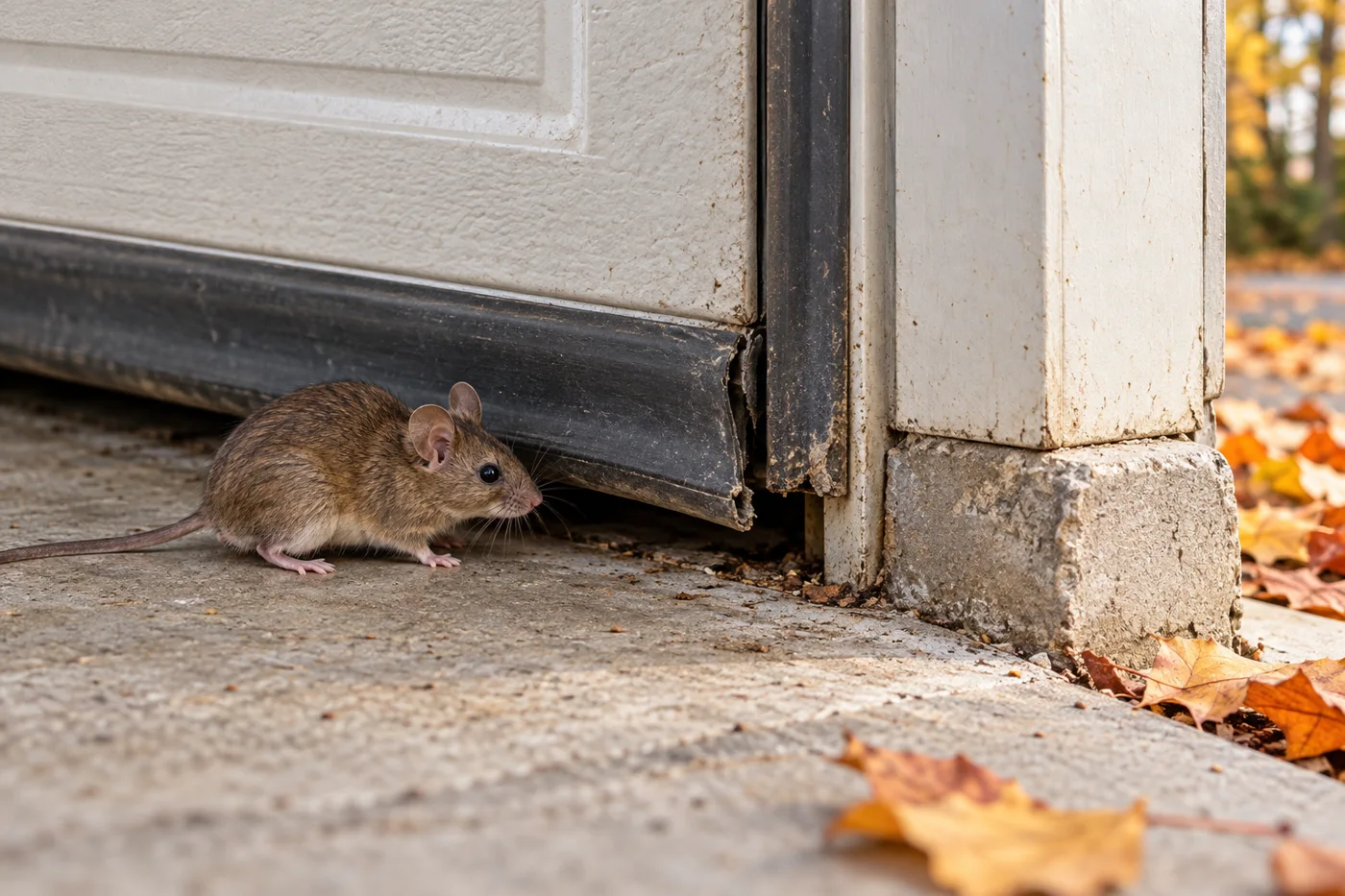
Before the visit ends, ask which areas showed evidence of activity, what was inspected and what could not be accessed. Keep the inspection notes and any photographs together. If more than one person lives in or manages the property, choose one person to collect reports so the technician receives a consistent account.
Ask what changes would warrant a call before the planned follow-up. A new sighting in a previously unaffected room is useful information; a general impression that the house seems quieter is harder to assess.
Keep a short activity log
A simple note on your phone is enough. Record:
- The date and approximate time.
- The exact room or exterior location.
- What you observed: a sighting, newly damaged packaging or a sound.
- A photograph taken without touching evidence or disturbing equipment.
- Any relevant change, such as a door left open or construction near an entry point.
Avoid calling droppings fresh based only on their appearance. If evidence has not been safely removed, the same material may be noticed repeatedly. Ask the technician how to establish a clear monitoring baseline and how any contaminated area should be handled.
Leave control equipment where it was placed
Ask which equipment is present, which areas need to remain accessible and what residents should leave alone. Do not open, reposition or add products to a station. Tell the technician about children, pets and other animals that could reach the area.
If a device is damaged or has been moved, report that change. The technician needs to know before interpreting the next check. Do not substitute an improvised poison mixture or add an unfamiliar product to the plan.
Track prevention work separately
Control activity and building repairs are related, but they are different items on the follow-up list. Note which entry points have been assessed, which repairs are proposed and who will complete them. Empire’s technician can recommend sealing locations and quote proposed work after assessing the active issue.
Keep food and animal feed in secure containers, check garbage lids and reduce accessible clutter. Health Canada’s rats and mice guidance explains why prevention and control need to work together. These steps support the plan; they do not prove that activity has ended.
Review the evidence at the next visit
Share your log and ask what the technician found at the monitoring points. Clarify whether the findings support continuing, adjusting or finishing the current plan. There is no universal number of quiet nights that confirms every property is clear.
Keep the record after the work finishes. If activity returns, the dates and locations can help distinguish a continuing problem from a new route of access.
Arrange rodent control for your area
Learn about our mouse control and rat control services. For local information, visit our pest control pages for Oshawa, Vaughan or Richmond Hill. Call Empire Wildlife Pest Control at (416) 831-0386 to discuss what you are seeing.
If you also have squirrel or raccoon activity, see our wildlife removal services in Richmond Hill and Vaughan. These wildlife concerns need their own assessment rather than being treated as evidence of mouse or rat activity.