
Mice in a Peterborough Home: Check Food Storage and Entry Routes Together
A chewed food package may be the first sign of a mouse problem, but the cupboard is not necessarily the entry point. In a Peterborough home, review the affected storage area and the building access separately. The aim is to protect food now and give the assessor a clear picture of what needs investigating.
Do not move through the house collecting suspected droppings or carrying dusty nesting material from room to room. Keep people and pets away from affected areas while you arrange appropriate advice.
Separate observations from guesses
Record what you actually found: damaged packaging, marks near a cupboard, a sighting or sounds in a wall. Health Canada lists gnawing, damaged food packages, droppings and scratching as possible rodent signs. Its rats and mice guidance also explains why identifying the pest matters to the control approach.
A clear photograph taken without disturbing the material can be useful. Note the room and date. If the evidence might be old, say so. Neither a single noise nor the absence of new sightings proves that the problem has ended.
Protect food without scattering the problem
Review dry food and pet-food storage. Use well-sealed, suitable containers, clear ordinary food spills and check whether rubbish is securely contained. Do not use food from packaging that appears contaminated or gnawed.
Keep the affected cupboard or shelf identified for the technician. Before a large cleanout, ask what preparation is needed and how suspected contamination should be handled. The Public Health Agency of Canada’s rodent-exposure prevention guidance is a useful cleanup reference. Avoid dry sweeping or vacuuming droppings, which can stir contaminated particles into the air.
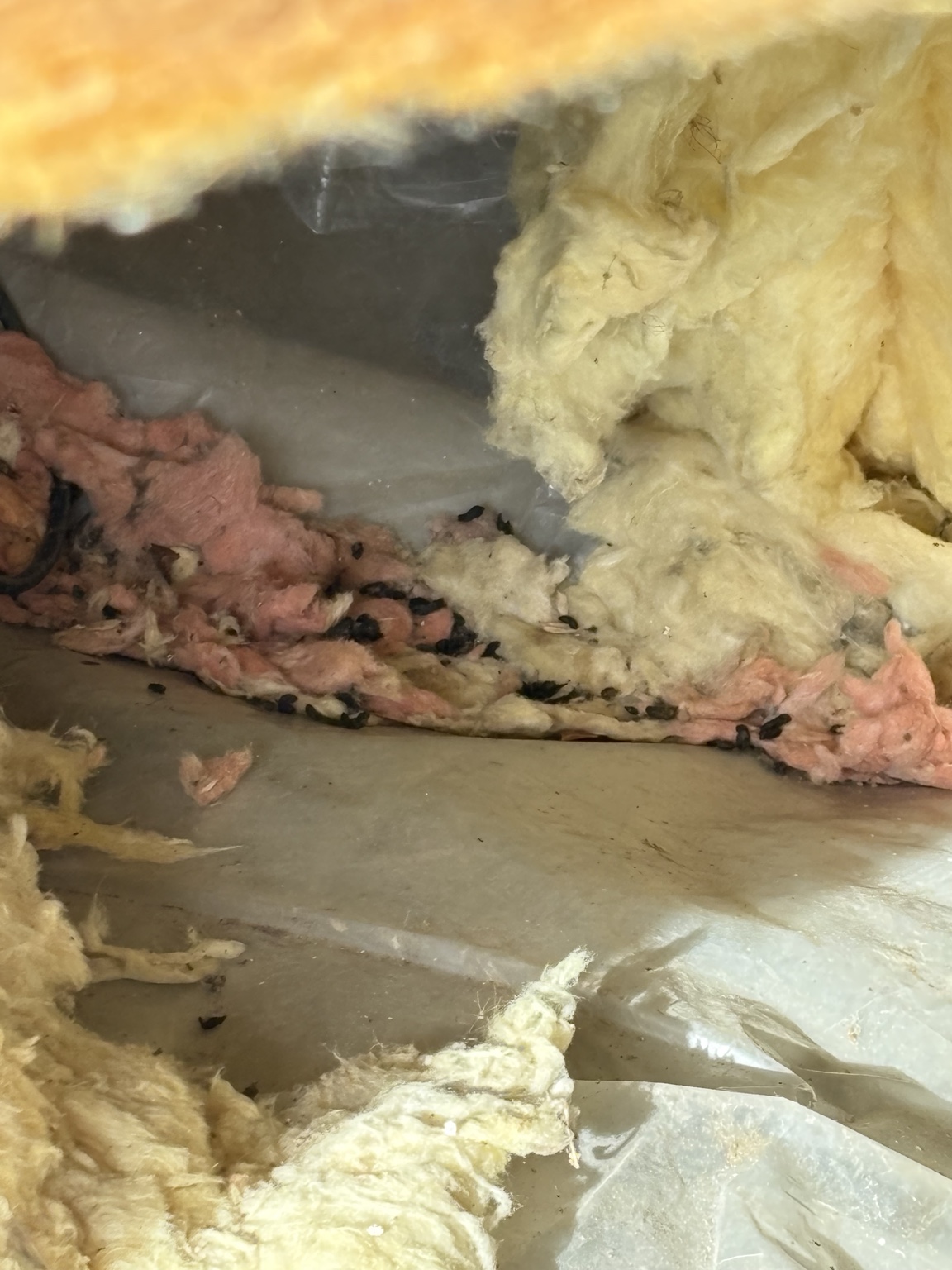
Make an access checklist
Think about where someone will need to look, not just where you first saw the damage. Relevant areas may include the pantry, under-sink cabinet, utility room, garage and accessible building perimeter. Do not remove fixed equipment or disturb wiring to expose a suspected route.
For a rental, tell the property manager or person arranging service which spaces need access. If there are shared utility areas or neighbouring units, flag that during booking. Permission and access can affect what an inspection can establish.
Ask how control and repairs fit together
Finding a gap does not establish that it is the only route. Ask which signs support the proposed treatment, how activity will be checked afterwards and which building repairs are recommended. Keep the treatment instructions with the quote so everyone in the household knows what to leave in place.
Empire’s mouse-control service assesses the active issue and recommends entry-point work where appropriate. Proposed sealing is quoted after assessment. Ask specifically whether follow-up visits, cleanup or repairs are included rather than assuming they are part of the same service.
Prepare a useful booking request
Include your Peterborough location, property type, affected rooms, when signs first appeared and anything already tried. Mention children, pets and access restrictions so the service team can explain the relevant preparation. Call Empire Wildlife Pest Control at (416) 831-0386 or request a quote.
Explore pest control and wildlife removal in Peterborough.